Source luxury custom wine bottle label for Food, Medicine, and Packaging
Explore 30 listings for luxury custom wine bottle label options featuring waterproof vinyl and polyester materials. Buyers can compare digital, offset, and letterpress printing methods alongside ISO9001 and SGS certified suppliers for bottles, beverages, and packaging films.
Key considerations
Products List





Comprehensive Sourcing Guide
Strategic Sourcing Guide for Luxury Custom Wine Bottle Labels
Procuring luxury custom wine bottle labels requires a nuanced understanding of material science, printing technologies, and supply chain logistics. The market offers a diverse array of options, ranging from standard adhesive stickers to high-end metallic finishes suitable for premium spirits. Buyers must navigate a landscape where material composition, surface finishing, and regulatory compliance intersect to define the final product's aesthetic and functional integrity. This guide outlines the critical factors for sourcing these specialized packaging components, ensuring that the selected supplier can meet the rigorous demands of the wine and spirits industry.
Material Composition and Structural Integrity
The foundation of a luxury label lies in its substrate. The supplied data indicates a variety of materials available in the current market, including Vinyl, PVC, and Polyester (PET). Each material offers distinct properties that influence the label's durability and visual appeal. Vinyl and PVC are often selected for their flexibility and water resistance, making them suitable for bottles that may be chilled or exposed to condensation. However, for a truly luxury feel, the data also highlights the availability of Aluminium as a substrate. This material allows for unique processing techniques, such as plating, which can significantly elevate the perceived value of the product.
The transparency of the material is another critical specification. While some products are noted as opaque, others may offer different optical properties depending on the specific application. The backing paper is frequently identified as Glassine, a smooth, translucent paper that facilitates easy dispensing and application on high-speed labeling machines. The surface materials, specifically Polyester (PET), are often paired with specific membrane types to ensure adhesion and resistance to environmental factors. When sourcing, buyers should verify the exact material composition against their specific use case, as the "Luxury" designation often implies a need for materials that resist tearing, moisture, and chemical exposure from the bottle contents.
Printing Technologies and Visual Finishes
Visual fidelity is paramount in the wine industry, where brand identity is communicated through intricate designs and vibrant colors. The sourcing data reveals several printing technologies available, including Digital Printing, Letterpress Printing, and Offset Printing. Digital printing is advantageous for short runs and complex, multi-colored designs, while Offset printing is typically preferred for high-volume orders requiring consistent color accuracy. Letterpress printing offers a tactile depth that can enhance the luxury feel, though it may be less common for large-scale production.
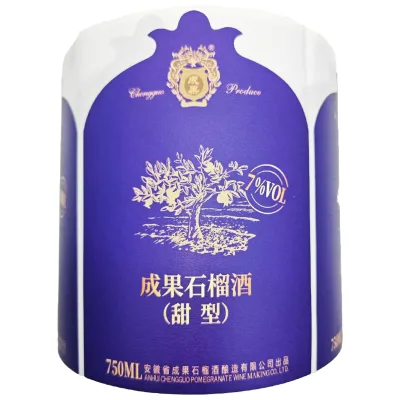
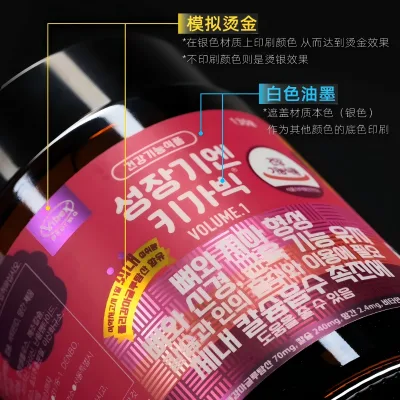
Color reproduction is managed through CMYK or Pantone systems, allowing for precise brand matching. The data also specifies a range of surface finishing processes, including Lamination, Varnishing, Embossing, and Coating. These processes are essential for protecting the print and adding texture. For instance, embossing can create raised designs that catch the light, while lamination provides a protective barrier against water and abrasion. The data further notes specific plating options such as Gold, Silver, Nickel, Brass, and Copper. These metallic finishes are often applied to Aluminium substrates to create a high-end aesthetic that stands out on retail shelves. Buyers must ensure that the chosen printing method and finishing process are compatible with the selected material to avoid delamination or color fading.
Technical Specifications and Customization Options
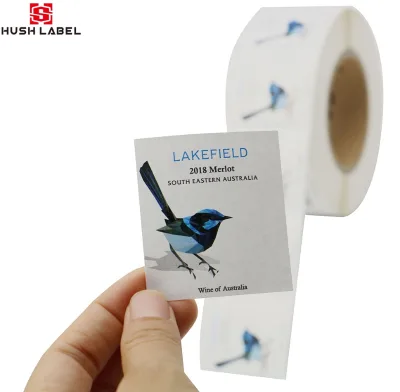
Customization is a defining feature of luxury labels, allowing brands to differentiate their products in a crowded market. The data confirms that customization is widely available, with options for shape, size, and model. Shapes can include Rectangle, Round, Square, or fully Customized forms, enabling unique silhouettes that align with brand identity. The standard size mentioned in the data is 70mm x 80mm, but the specification also highlights "Customized Size" and "Custom Model" options, indicating flexibility for bespoke requirements.
Artwork preparation is a critical step in the customization process. Suppliers typically require specific file formats, including Ai, Pdf, CDR, Psd, and JPG. Ensuring that the artwork is provided in the correct vector format is essential for maintaining resolution during the printing and plating processes. The data also lists specific product models such as AG1063, LG266201, LG266402, AG906, and LG266803. While these models may represent specific configurations, the overarching trend is towards highly adaptable solutions. Buyers should verify that the supplier can accommodate their specific dimensional requirements and that the chosen model supports the intended application, whether for wine, candles, perfume, or other bottles.
Compliance, Certification, and Regulatory Standards
In the food and beverage sector, compliance with international standards is non-negotiable. The sourcing data indicates that suppliers often hold ISO9001 and SGS certifications. These certifications suggest a commitment to quality management systems and third-party verification of product safety and quality. For labels intended for food and beverage packaging, it is crucial to verify that the materials used are food-safe and do not leach harmful substances into the product.
The data also mentions FSC certification in a low-confidence context. While this suggests the possibility of sustainable sourcing, buyers should not assume this status without direct verification from the supplier. Instead, procurement teams should explicitly request documentation regarding the environmental impact of the materials, particularly if the brand has sustainability goals. Additionally, the usage data lists applications in Food, Medicine, and Bottled Beverage, reinforcing the need for materials that meet relevant safety regulations. Buyers must ensure that the supplier can provide test results or compliance statements confirming that the labels meet the specific regulatory requirements of the target market, such as FDA regulations in the United States or EU standards for food contact materials.
Cost Drivers and Procurement Logistics
Understanding the cost structure of luxury labels is essential for budgeting and negotiation. The observed price range in the data is noted as 0-3 USD, though this likely represents a specific unit or a range that varies significantly based on order volume and customization. The Minimum Order Quantity (MOQ) ranges from 50 to 3000 pieces, with a specific high-confidence fact citing an MOQ of 3000 PCS for certain configurations. This variation suggests that smaller orders may incur higher per-unit costs or require different production setups.
Lead times are another critical logistical factor. The data consistently indicates a delivery time of 7-10 days, which is relatively short for custom manufacturing. However, this timeframe may be contingent on the complexity of the design and the availability of raw materials. The port of shipment is listed as "Any Port of China" or specific ports like Shanghai, Wuxi, and Ningbo. Buyers should clarify the Incoterms and trade terms, as the data notes that these are "Negotiated." Payment terms typically include T/T, Paypal, and West Union, offering flexibility but requiring careful financial planning. The packaging is described as Corrugated Cardboard or Standard Export Carton, ensuring that the labels arrive in good condition.
Supplier Evaluation and Quality Control
Selecting the right supplier involves more than just comparing prices; it requires a thorough evaluation of their capabilities and quality control processes. The data highlights that free samples are available, which is a vital tool for buyers to assess print quality, material feel, and adhesion. Buyers should request samples that match their specific requirements, including the desired plating, finishing, and material type.
Quality control should be integrated into the procurement process from the outset. Buyers must verify that the supplier has robust processes in place to ensure consistency across large batches. This includes checking for color accuracy, alignment, and the durability of the adhesive. The data mentions that the labels are suitable for various applications, including wine, candles, and perfume, which implies a need for versatility. However, the specific application for wine bottles requires labels that can withstand condensation and handling. Buyers should ask for references or case studies demonstrating the supplier's experience with the wine industry. Furthermore, the origin of the products is listed as Jiangsu or China, and buyers should be aware of any potential logistical challenges or tariffs associated with importing from these regions.
Long-Term Procurement Considerations
Sourcing luxury custom wine bottle labels is not a one-time transaction but a long-term partnership that impacts brand perception. The ability of the supplier to scale production while maintaining quality is crucial. As the brand grows, the order volume will likely increase, and the supplier must be able to accommodate this growth without compromising on lead times or quality. The data suggests a flexible approach to customization, which is beneficial for brands that frequently update their packaging designs.
Sustainability is also becoming a significant factor in long-term procurement. While the data mentions FSC in a low-confidence context, buyers should proactively inquire about the recyclability of the materials and the environmental impact of the production process. Choosing suppliers who prioritize sustainable practices can enhance the brand's reputation and align with consumer values. Additionally, maintaining a consistent relationship with a reliable supplier can lead to better pricing, priority production slots, and more collaborative design efforts. Buyers should establish clear communication channels and regular review meetings to ensure that the supplier continues to meet evolving business needs and market trends. By focusing on these strategic elements, buyers can secure a supply chain that supports the long-term success of their luxury wine brand.
FAQs
What materials are available for luxury custom wine bottle labels?
Available materials include Vinyl, PVC, Polyester (PET), and Aluminium. These substrates offer distinct properties like flexibility or metallic finishes suitable for premium spirits, with backing paper often being Glassine for easy application.
Which printing types support high-fidelity brand designs?
Digital, Letterpress, and Offset printing are supported options. Digital printing suits complex designs, while Offset printing ensures color accuracy for high volumes, with color reproduction managed through CMYK or Pantone systems.
Can I order custom shapes and sizes for my wine brand?
Yes, customization is available for shapes like Rectangle, Round, Square, or fully Customized forms. Standard sizes exist, but the specification allows for Customized Size and Custom Model options to align with unique brand identities.
What certifications ensure quality and safety for food contact?
Suppliers often hold ISO9001 and SGS certifications to verify quality management and product safety. These standards are critical for labels intended for food and beverage packaging to ensure they meet regulatory requirements.
How long does delivery take for custom label orders?
The standard delivery time is 7-10 days for most configurations. This timeframe applies to custom manufacturing, though it may vary slightly based on design complexity and specific order requirements.
What is the minimum order quantity for these labels?
The minimum order quantity ranges from 50 to 3000 pieces depending on the configuration. Some specific setups require an MOQ of 3000 PCS, while others may accommodate smaller initial orders.
Which surface finishes protect the label from moisture?
Surface finishes include Lamination, Varnishing, Embossing, and Coating to protect the print. These processes add texture and create a barrier against water and abrasion, essential for bottles exposed to condensation.